
Helpers in Mueller: Caring for the Community Cats of Branch Park
Inside the neighborhood effort to humanely manage the colony at Branch Park.
If you've ever walked through Branch Park in the Mueller neighborhood of Austin, near the corner of Ruiz Street and Philomena Street, you've probably spotted one.
The small colony makes its home in Brushy Garden, a native planting and rain garden area tucked into the park that provides food, shelter, and plenty of places to hide.
A tuxedo cat sunning himself in the garden beds. An orange cat making the rounds through the native plants. Maybe a shy gray cat darting between the brush.
These aren't lost pets. They're part of Mueller's community cat population, and thanks to the dedication of neighbors, volunteers from Austin Humane Society, and local rescue organizations, they're living healthier lives while helping prevent future litters.
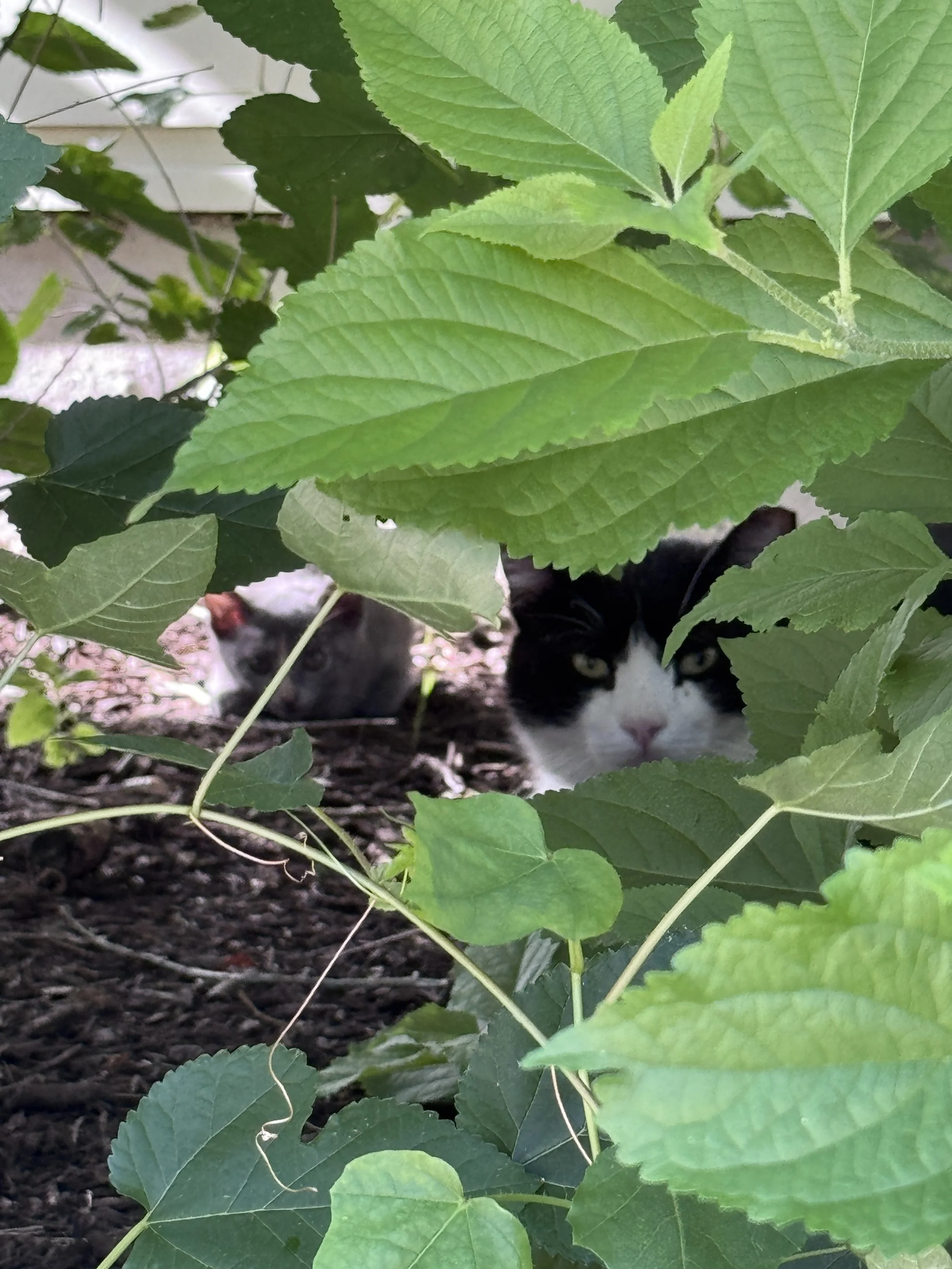
Grayson (left) and Auntie (right) rest beneath the native plants of Brushy Garden in Branch Park.
What is a community cat?
A community cat is a cat that lives outdoors and doesn't have a traditional indoor home. Some were born outside, while others were lost or abandoned long ago and have adapted to life in their neighborhood. Community cats often form small colonies in places where food, water, and shelter are available, and many are cared for by compassionate residents who help monitor their health and well-being.
What is Trap-Neuter-Return (TNR)?
TNR stands for Trap, Neuter, Return.
Community cats are humanely trapped, spayed or neutered, vaccinated, and given a small notch on one ear before being returned to the outdoor area they already call home.
While it may seem surprising that the cats are returned outdoors, the ASPCA recognizes Trap-Neuter-Return (TNR) as an effective and humane long-term approach to managing community cat populations. TNR helps prevent new litters, improves cats' health, reduces behaviors associated with mating, and stabilizes outdoor colonies.
A Neighborhood Effort
Over the past several years, Mueller resident Kathy Sokolic, her husband, supportive neighbors, and volunteers from Austin Humane Society have worked together to care for and humanely manage the small colony living around Brushy Garden.
Each successful TNR represents hours of patience, planning, and teamwork. Community cats don't exactly line up for appointments.
Here's where things stand today.
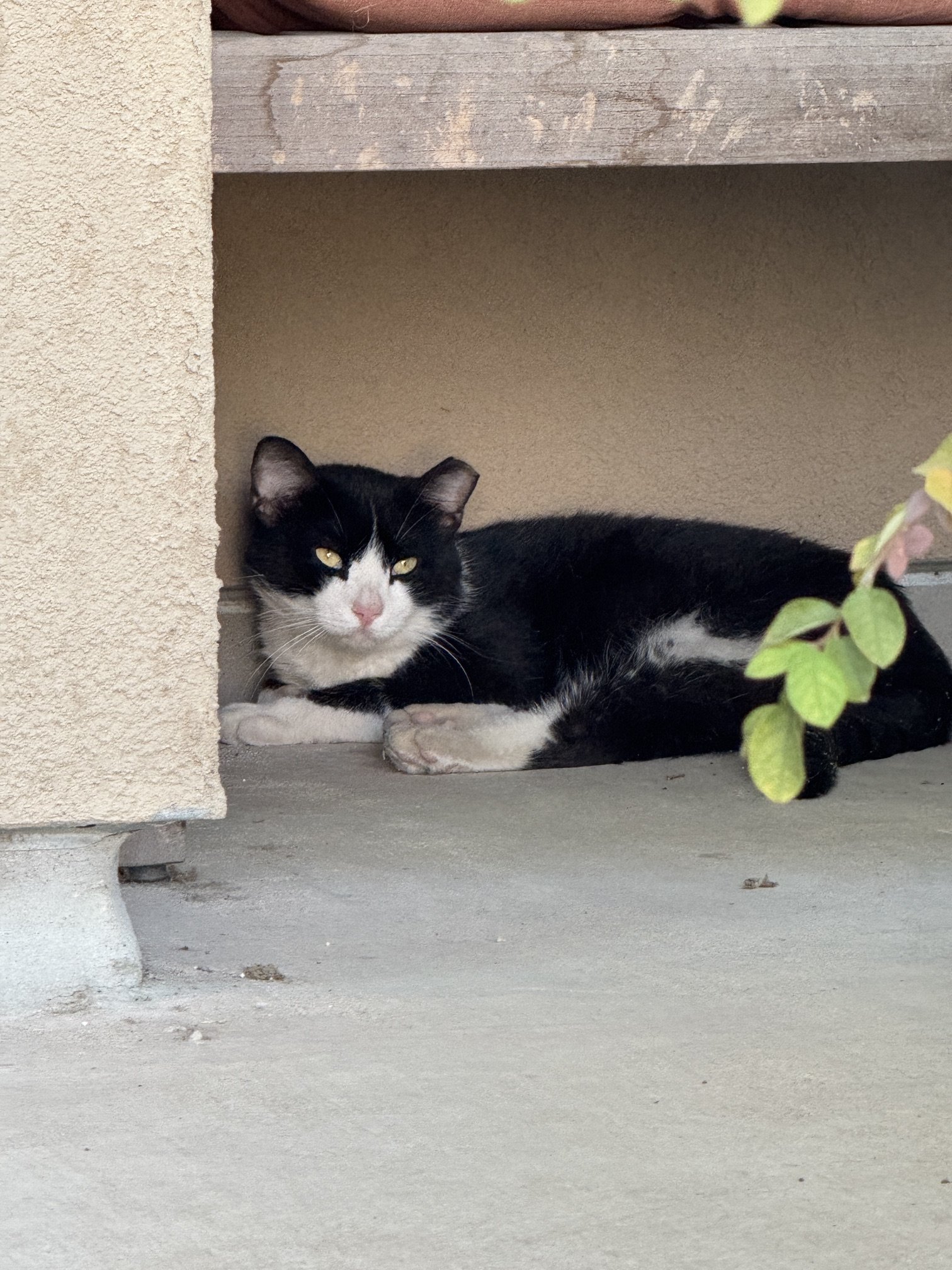
Uncle Auntie:
A striking tuxedo gentleman, Auntie was successfully trapped, neutered, and returned in June 2025. Today he's a familiar face around the garden and one of the colony's longtime residents.
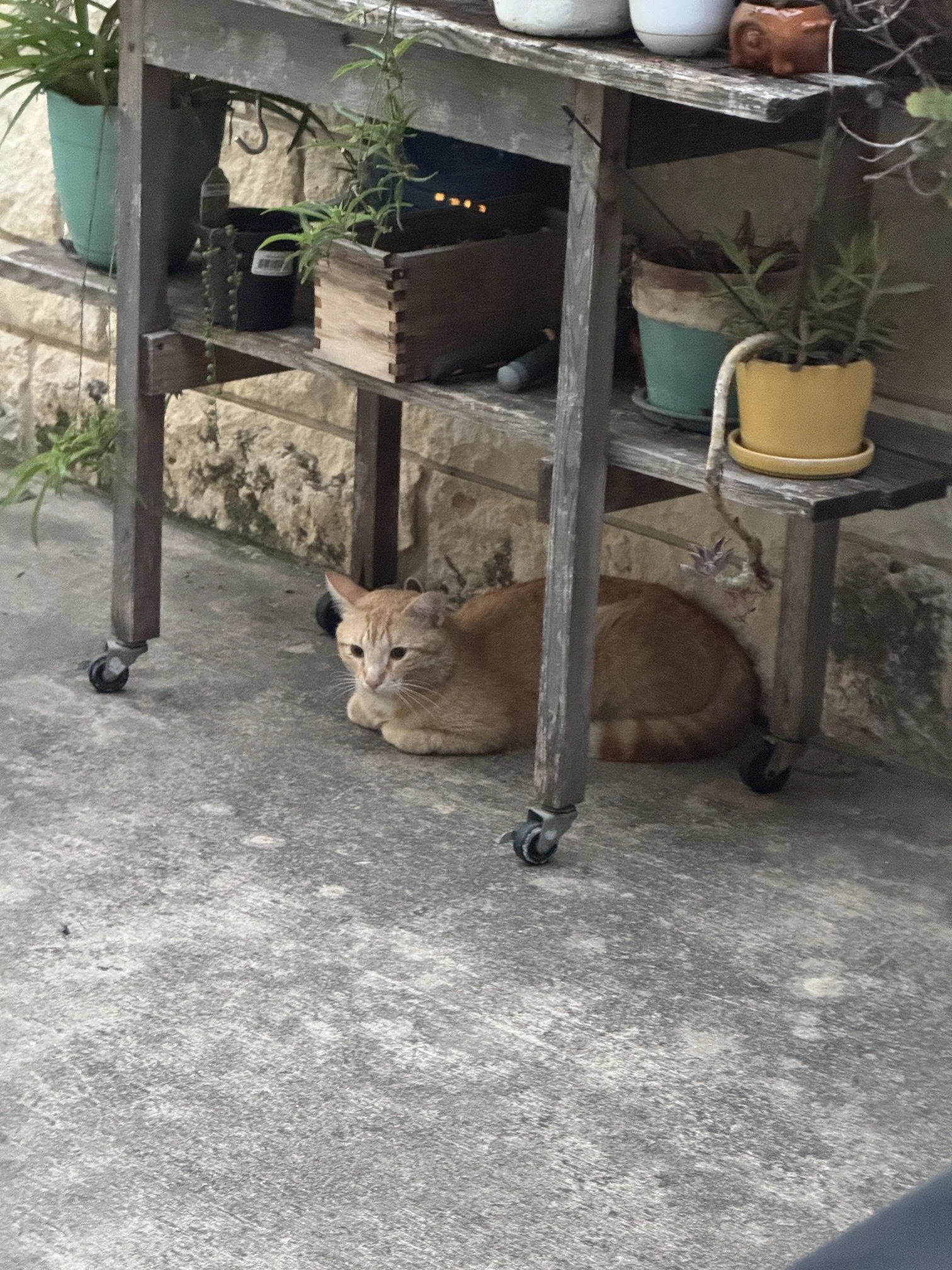
Julius:
Known affectionately as the "big orange boi," Julius completed TNR in June 2026 after months of careful observation and planning.
Grayson:
The colony's resident princess, a petite gray cat with an elegance you’ll instantly fall for.
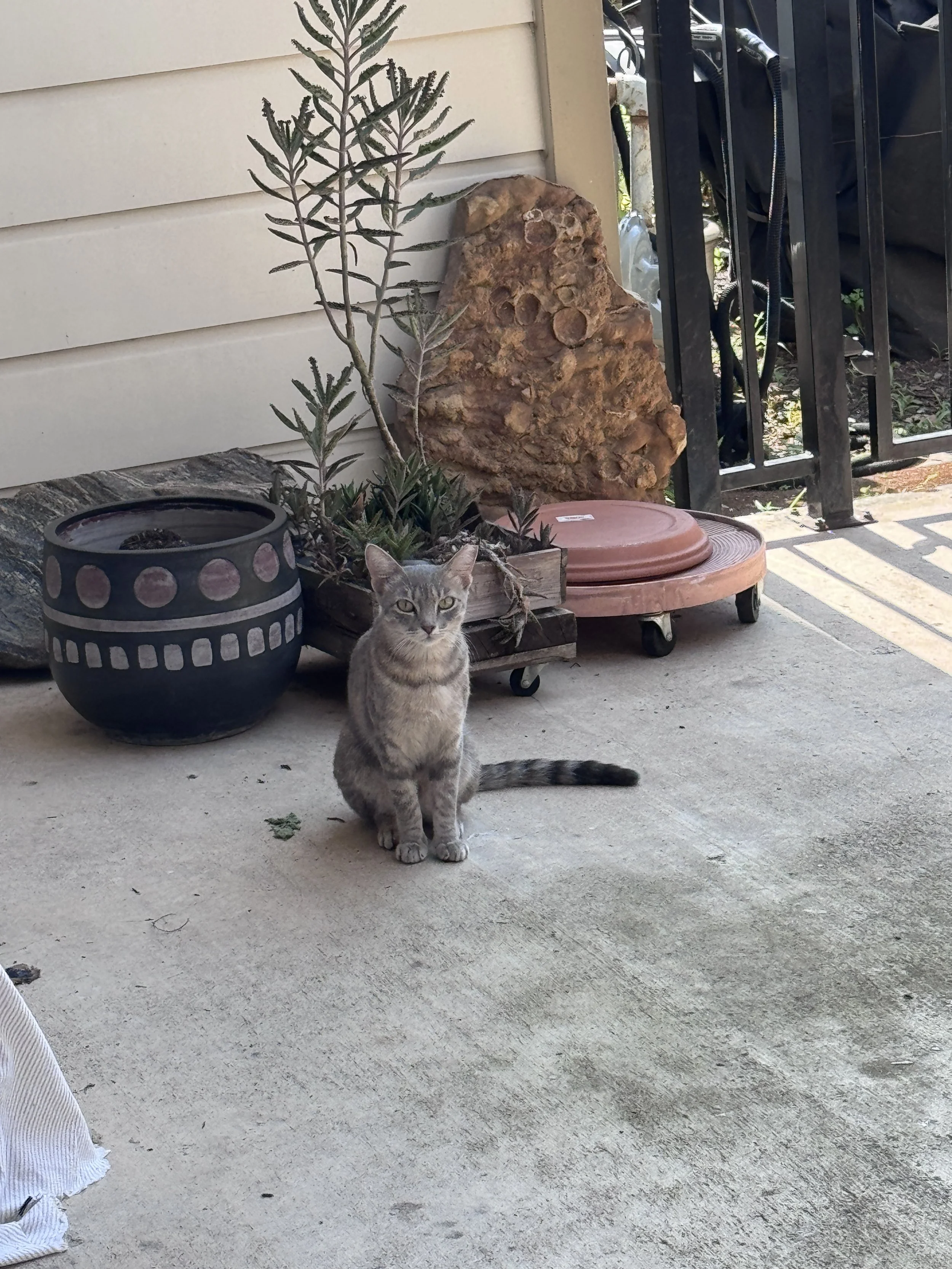
Earlier this spring, Grayson gave birth to three kittens before she could be trapped. Once her kittens were old enough to be weaned, she was successfully spayed and returned to the neighborhood, preventing future litters while allowing her to continue living in the territory she knows.
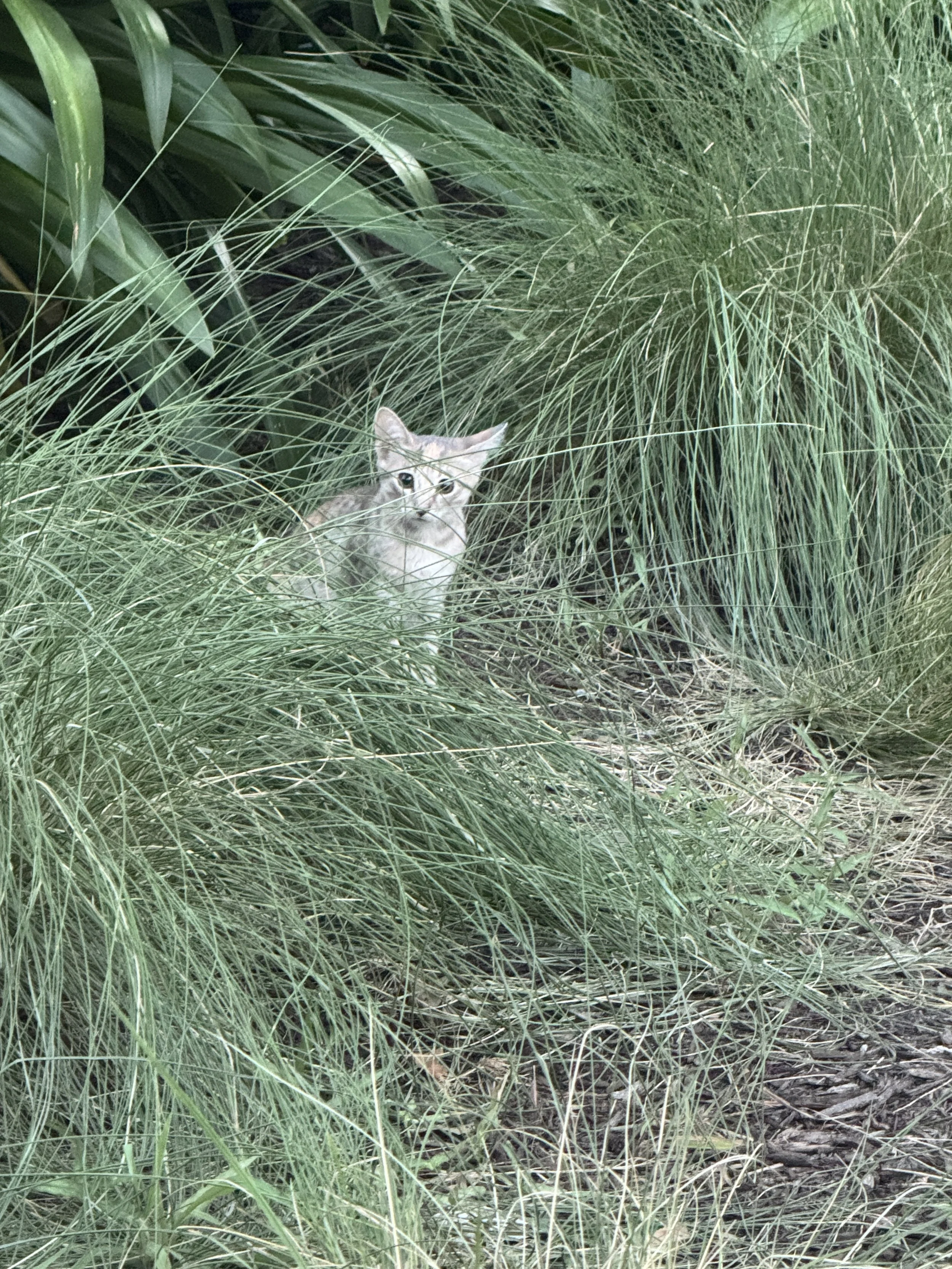
The Next Generation
Two of Grayson's kittens were successfully trapped, lovingly fostered, and are now available for adoption through New Hope Animal Rescue. Both kittens are looking for forever homes where they can enjoy the safety and comfort of indoor life. You can learn more about Baby Girl and Baby Boy and submit an adoption application through New Hope Animal Rescue.
Volunteers continue keeping an eye out in hopes of humanely trapping the last kitten. While it's possible the kitten may now be too old to become adoptable, TNR would still provide lifelong health benefits and help prevent future generations of community cats.
How You Can Help
You can help support responsible community cat management by:
Keeping your own cats indoors or supervising outdoor time with a leash or secure catio. Indoor cats live longer, healthier lives and are less likely to impact local wildlife or contribute to the community cat population.
Looking for a tipped ear before assuming a cat needs rescue. An ear tip is a universal sign that a cat has already been through a TNR program.
Never removing healthy community cats from their established territory. Relocating them can be stressful for the cats and often creates space for new, unsterilized cats to move in.
Reporting new litters of kittens as early as possible. Young kittens have the best chance of being socialized and adopted into loving homes.
Supporting organizations that provide TNR services, foster care, and adoptions, whether through volunteering, donations, or spreading the word.
Sharing accurate information about community cats with your neighbors to help build understanding of the important role TNR plays in managing outdoor cat populations.
Parks and trails create a beautiful neighborhood, but it's acts of kindness like these that create a true community.
Every tipped ear tells a story of compassion, teamwork, and a healthier future for Mueller's community cats. If you see Auntie, Julius, or Grayson enjoying another day in Branch Park, you'll know you're witnessing the quiet impact of neighbors who care.
Know another Mueller neighbor making a difference? We'd love to feature them in a future edition of our Helpers in Mueller series.
